The 7 Biggest Mistakes Schools Make When Planning British Science Week (And How to Avoid Them)

British Science Week is one of the highlights of the school year. It's an opportunity to inspire curiosity, encourage problem-solving, and show children that science is exciting, creative and relevant to everyday life.
However, after working with hundreds of primary schools, we've noticed that many schools make the same planning mistakes year after year. The good news is that they're all easy to avoid.
Here are seven common mistakes—and how you can make this year's British Science Week your best yet.
1. British Science Week - Leaving the Planning Until the Last Minute
It's easy to think, "We've got plenty of time." Then suddenly it's February, resources are limited, and everyone is rushing to organise activities.
Starting your planning early gives you more choice, less stress and allows staff to look forward to the event rather than feeling under pressure.
Top Tip: Begin discussing your Science Week plans during the autumn term, even if you don't finalise everything until later.
2. Trying to Do Too Much
Science Week doesn't need to include dozens of complicated activities.
One well-organised, exciting event that every child enjoys is often far more memorable than a packed timetable that leaves staff exhausted.
Remember, children often remember the experience more than the number of activities.
3. Forgetting to Involve the Whole School
British Science Week is the perfect opportunity to bring the entire school together.
Whether it's a science fair, STEM challenge, visiting speaker or fundraising event, children love feeling part of something bigger than their own classroom.
Whole-school events also create fantastic memories and generate excitement throughout the school.
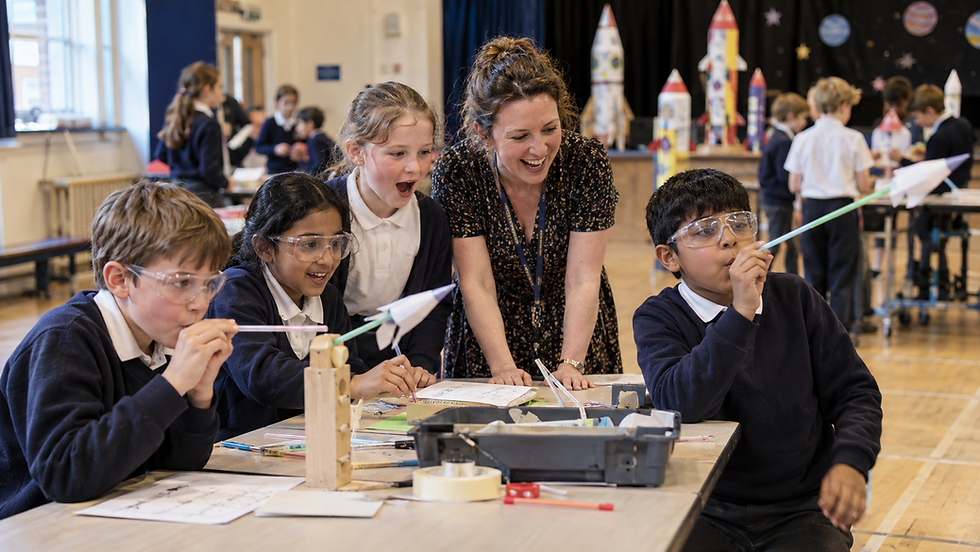
4. Choosing Activities That Aren't Hands-On
Children learn best when they can explore, investigate and discover for themselves.
Hands-on experiences encourage curiosity and create lasting memories far beyond the classroom.
Simple activities where children can touch, build, experiment or investigate are often the ones they talk about long after Science Week has finished.
5. Missing an Opportunity to Raise Funds
Science events don't just have to inspire learning—they can also help schools generate valuable income.
Many schools use British Science Week to raise funds for new science equipment, books, outdoor learning or future STEM activities.
Finding activities that both engage pupils and support school fundraising can make your event even more rewarding.
6. Making Extra Work for Staff
Teachers already have busy schedules.
The best Science Week activities are those that are simple to organise, require minimal preparation and come with clear instructions and ready-to-use resources.
Reducing workload means staff can spend more time enjoying the event alongside the children.
7. Not Booking Resources Early
Popular STEM events and resources often become much busier as British Science Week approaches.
Planning ahead gives schools the greatest flexibility, ensures resources are available and allows everything to be organised well before the event begins.
A little forward planning can make a huge difference.
Make This Year's British Science Week One to Remember
British Science Week is about inspiring children to ask questions, think creatively and discover the world around them.
Whether you're planning classroom investigations, STEM challenges or a whole-school event, starting early and keeping things simple will help create an enjoyable experience for both pupils and staff.
At Inspire Science Education, our ready-to-run Science Gadget Shop provides schools with everything they need to organise an exciting, hands-on fundraising event. Schools can inspire a love of science while raising valuable funds for future STEM resources—all with minimal preparation for staff.
If you're already thinking ahead to your next British Science Week, we'd love to help you create an event your children will remember for years to come.